- marjan.nut@gmail.com
- +38(095)6070777
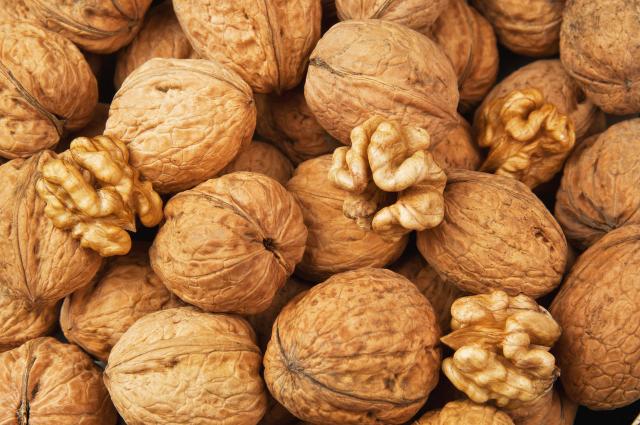
According to commodity characteristics walnut is divided into 3 categories:
Top class: Calibrated walnut of this category should be of superior quality. Nuts should have strictly defined characteristics, detailed by the manufacturer in the accompanying documentation. The appearance of the nut should not have noticeable defects. Only minor defects of the shell are allowed, which in no way spoil the appearance of the nut and do not affect its nutritional characteristics. The upper class should not contain walnuts, a variety of which can not be guaranteed. Nuts can only be included in the higher class from the last harvest;
Class 1: Walnuts of this class must be of good quality. They must have bright signs of this variety or commercial type specified by the manufacturer in the marking. Small defects are allowed provided that they do not spoil the appearance of the product and do not affect its consumer properties. This class does not allow the presence of nuts, a variety of which can not be guaranteed, as well as a mixture that is not defined;
Class 2: Walnuts may be classified as belonging to this class, which, due to their qualities, were not assigned to the first two grades, but nevertheless meet the minimum quality requirements. Defects of the shell are allowed, but provided that they do not affect the basic qualities of the product and do not interfere with its preservation.
Packing: polypropylene mesh, weight - 25 kg.
Shell: smooth, thin, wall thickness does not exceed 1.1 mm.
Kernel weight: 50-52% of the total weight of the nut.
Color of the kernel: varies from light to light wheat.
Moisture of the core: should be in the range of 7.2-7.4%
Packing: polypropylene mesh, weight - 25 kg.
Shell: smooth, thin, wall thickness does not exceed 1.1 mm.
Kernel weight: 50-52% of the total weight of the nut.
Color of the core: varies from light to light wheat
Moisture of the core: should be in the range of 7.2-7.4%